

Restoration Assessment
Restoration Assessment
Identifying pathways for ecological recovery through rigorous field audits and site-specific restoration strategies.
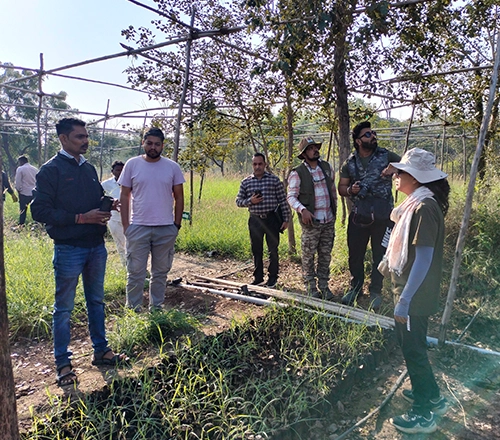
Assessment of ecological restoration is the process of evaluating how effectively a degraded ecosystem is recovering after restoration interventions such as plantation, soil improvement, invasive species removal, habitat creation, or waterway rejuvenation. It involves measuring ecological parameters—like species diversity, vegetation growth, soil health, water quality, and wildlife presence—to determine whether the restored site is moving toward a healthier, self-sustaining state. This is not only necessary for compliance and reporting, but also verify the success of restoration efforts and long-term sustainability.
Scientific analysis to revive degraded landscapes into functional, biodiverse ecosystems.
Our Capabilities and Impact
Services offered
- Ecological health and effectiveness of interventions (Data on species richness, vegetation cover, soil stability, and water quality, understanding the working of restoration method – e.g., native species plantation vs. mixed plantation and which need improvement)
- Understanding biodiversity trends – native plants and wildlife are returning, indicating ecological balance and habitat suitability.
- Socio-ecological impacts of the intervention
- Carbon Sequestration and Climate Benefits – Offers insights into how much carbon is being absorbed by restored vegetation, useful for climate commitments and sustainability reporting.
Benefits to the organization
- Measures the Effectiveness of Restoration Efforts
- Strengthens ESG, Sustainability, and CSR Reporting
- Optimizes Resource Allocation
- Enhances Biodiversity and Ecological Health
- Outcomes helps in efficient carbon management
- Supports Long-term Sustainability Planning